Scrotox® is a treatment that many men research quietly before they ever ask about it in person. The name sounds light-hearted, but the reasons men enquire about it are usually practical. Some are bothered by excessive sweating. Some want better day-to-day comfort. Others are interested in the aesthetic change that can come from a smoother, looser scrotal appearance.
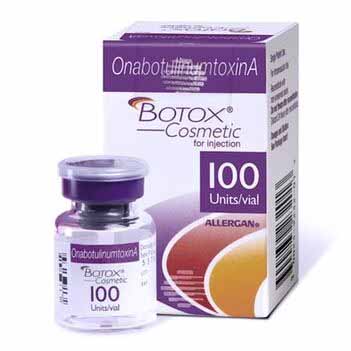
The first thing to understand is that Scrotox® is not a penile augmentation procedure, and it is not a treatment for erectile dysfunction. It sits in its own category. In simple terms, it involves injecting small amounts of botulinum toxin into the scrotal area to relax the dartos muscle, the muscle responsible for tightening and contracting the scrotal skin.
What Scrotox® Actually Does
When the dartos muscle relaxes, the scrotal skin generally becomes smoother and looser. That can change both how the area feels and how it looks. Men usually ask about Scrotox® for three main reasons: aesthetic concerns, increased comfort, and medical concerns such as scrotal hyperhidrosis or chronic scrotal discomfort.
For some men, the benefit is primarily functional. Tightness can feel uncomfortable during exercise, in warm weather, or in clothing that rubs. For others, sweating is the main issue. For another group, the appearance of a very tight or highly wrinkled scrotum is what motivates the consultation. These are different concerns, but they can all lead to the same treatment discussion.
How It Differs From Other Treatments
This is where it helps to separate goals properly.
If a man is looking for improvement in erection quality, Scrotox® is not the same conversation as Bocox™ for erectile dysfunction, extracorporeal shock wave therapy for ED, or broader erectile dysfunction treatment options. Those pathways are structured around sexual function and blood flow.
If the concern is penile size or girth, Scrotox® is also different from P-Long® penile augmentation, P-Shot® / Priapus Shot®, or penile augmentation dermal filler. Those are augmentation-focused treatments, whereas Scrotox® is targeted at the scrotal tissue and its muscle activity. They do different jobs and should not be blended into one expectation.
Who It May Suit Best
Scrotox® may suit men who:
- are bothered by a very tight or heavily contracted scrotum
- experience chafing or discomfort linked to scrotal tightness
- have excessive sweating in the area
- are seeking a smoother scrotal appearance
- want a non-surgical option and understand the result is temporary
It may also be relevant for some men dealing with chronic scrotal discomfort, although proper assessment matters because discomfort can have many causes, and a toxin treatment is not appropriate for every scrotal complaint.
Who May Not Be A Good Candidate
This is where medical screening matters.
Scrotox® is not suitable for everyone. Contraindications include botulinum toxin hypersensitivity, active infection in the treatment area, neurological disorders such as myasthenia gravis or ALS, bleeding disorders, and scrotal conditions that need surgical management such as testicular torsion.
Scrotox® is not something to choose casually or without examination.
I would also be cautious in any man who is mainly hoping the treatment will solve a larger sexual health issue. If the real concern is confidence around erections, pain from another underlying condition, or a problem that needs imaging or specialist referral, then Scrotox® may be the wrong starting point.
What It May Help With In Day-To-Day Life
For the right patient, the treatment can be useful in ways that are quite practical. Men may notice:
- a smoother, less wrinkled appearance
- reduced tightness or discomfort during physical activity
- decreased sweating in the treated area
These are sensible expectations. None of them promise a permanent change, and none of them suggest a whole-body effect. The value of the treatment is local and specific.
What Results And Timing Usually Look Like
Results usually become noticeable within 3 to 7 days and typically last 3 to 6 months. That gives a reasonable framework for counselling. Men considering treatment should go in expecting a temporary result that may need maintenance if they like the effect.
That timing also means the treatment is best approached like other toxin-based procedures. It is a management option, not a one-time permanent fix. If a man values the improvement in comfort or sweating control, repeat treatment may become part of the longer-term plan.
Possible Adverse Effects
Scrotox® is generally safe when administered by a qualified professional, but there are still possible adverse effects. These may include mild bruising or swelling at injection sites, temporary numbness or discomfort, and in rare cases unintended spread causing nearby muscle weakness.
That is exactly why genital-area toxin treatment should remain clinician-led.
This is also one of the reasons many men delay asking about the procedure. They are often unsure whether their concern is valid, unsure whether the treatment is legitimate, or unsure whether it is being offered medically or cosmetically. A proper consultation clears that up quickly.
Why Consultation Matters Before Treatment
A good consultation should answer a few practical questions:
- What exactly is bothering you, sweating, discomfort, appearance, or all three?
- Is the issue muscular, dermatological, neurological, structural, or mixed?
- Is Scrotox® likely to address the real complaint?
- Are there contraindications or warning signs that point somewhere else?
Our wider approach is confidential, clinician-led and evidence-based, with private consults, personalised plans and follow-up support. That is the right framework for a treatment like this, particularly when men are often researching it cautiously and privately before they decide whether to proceed.
If you are still at the stage of working out whether a genital-area botulinum toxin treatment is even relevant to your concern, starting with a confidential online consultation is usually the most sensible next step.