Everyone sweats. It’s a natural process that keeps us cool. But for some men, sweating is excessive and unpredictable. The medical term for this is hyperhidrosis. Imagine sitting in a business meeting feeling sweat drip from your palms or avoiding handshakes for fear of dampness. Hyperhidrosis can erode confidence and interfere with daily life. Yet many men hesitate to talk about it. In this article we demystify hyperhidrosis, outline available treatments, and explain how Essential Men’s Clinic can help.
What Is Hyperhidrosis?
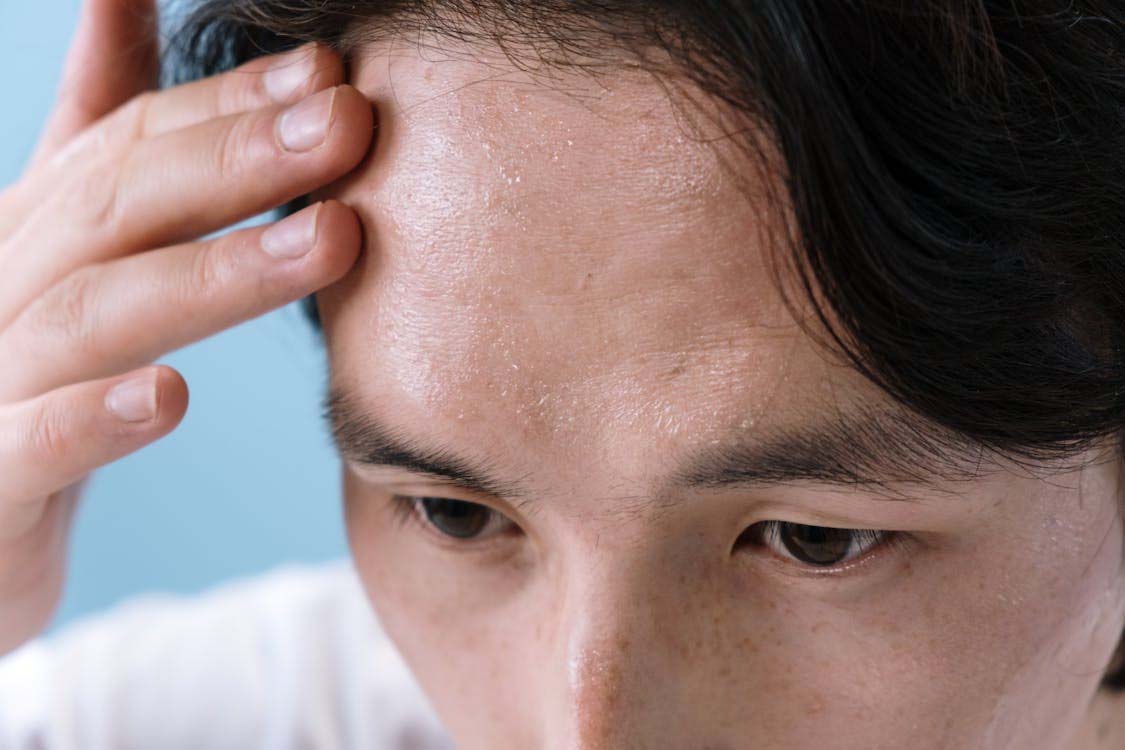
Hyperhidrosis is a condition in which a person sweats excessively, even when the environmental temperature is cool or they’re at rest. People with hyperhidrosis may experience dripping sweat on their hands, feet or underarms without obvious triggers. When sweating affects specific areas like palms, soles and armpits, it’s called primary (or focal) hyperhidrosis. When it results from another medical problem (for example, thyroid disorders, diabetes or infection), it’s called secondary hyperhidrosis.
The Hidden Impact
Though not life‑threatening, hyperhidrosis can have a profound psychological effect. Men often describe feeling embarrassed in social situations, anxious about sweat stains on shirts or uncomfortable during handshakes. Constant moisture can lead to skin irritation, fungal infections and unpleasant odour. These issues can undermine self‑esteem and lead to social avoidance.
At Essential Men’s Clinic we encourage men to talk openly about sweating. Addressing hyperhidrosis isn’t a vanity project; it’s about improving quality of life and feeling comfortable in your own skin.
Diagnosing the Cause
If you think you might have hyperhidrosis, the first step is a consultation. We’ll ask about the timing, severity and triggers of your sweating. It’s important to rule out underlying conditions such as thyroid problems or diabetes. Sometimes specific tests (like the starch-iodine or paper test) are used to measure sweat production. Once secondary causes are excluded, we focus on treatment.
First‑Line Approaches
Before seeking specialist care, consider these steps:
- Antiperspirants: MedlinePlus notes that antiperspirants containing 10-20% aluminium chloride hexahydrate are the first line of treatment for underarm hyperhidrosis. Higher‑strength preparations may be prescribed if over‑the‑counter options fail.
- Lifestyle adjustments: Wear breathable fabrics like cotton or moisture‑wicking performance material. Use absorbent undershirts to protect outer garments, carry a small towel to dry hands, and practise stress‑reduction techniques such as deep breathing or meditation.
If these measures aren’t sufficient, medical treatment may be appropriate.
Botulinum Toxin Injections: Our Clinic’s Service
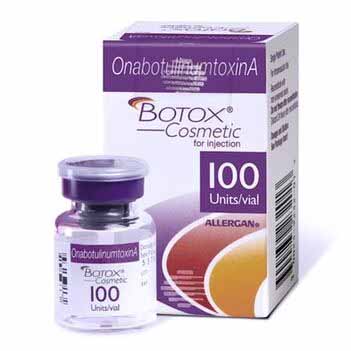
Essential Men’s Clinic offers botulinum toxin injections to treat severe underarm sweating. Botulinum toxin temporarily blocks the nerves that stimulate sweat glands. Treatment involves a series of small injections into the affected area, and results typically last six to nine months. Because we use botulinum toxin for cosmetic wrinkle reduction and Bocox™ injections, our team is highly experienced with this medication.
Most patients notice a significant reduction in sweating within a week. Side effects are usually mild and limited to temporary injection‑site discomfort. For men with palmar or plantar hyperhidrosis (primarily sweaty hands or feet), botulinum toxin can also be effective, although injections may cause temporary weakness.
Additional Resources for Hyperhidrosis
For more on our service, visit our sweating reduction page. If excessive sweating has dented your confidence, you might also be interested in our wrinkle reduction treatments or P‑Shot treatments for ED, as improving overall wellbeing often involves addressing interconnected issues.
For external, evidence‑based information, see the
MedlinePlus page on hyperhidrosis. It explains the condition’s causes and lists treatment options ranging from antiperspirants to botulinum toxin. Recognising that hyperhidrosis is a recognised medical condition can be reassuring.Talk to Dr Mark For the Right Hyperhidrosis Treatment Plan
Excessive sweating can feel isolating, but it’s a treatable medical issue. If you’re tired of hiding under dark shirts or avoiding handshakes, take that first step and book a confidential consultation with Essential Men’s Clinic. We’ll evaluate your symptoms, rule out underlying causes and offer the most appropriate therapy, which for most men is botulinum toxin injection. With the right support, you can regain confidence and feel comfortable in your own skin.