Many men in New Zealand quietly notice changes in their erections and begin to wonder if the bend or pain they feel is normal or something more. As a men’s sexual health practitioner, I see this fear in the clinic and understand how hard it can be to talk about.
Peyronie’s disease, a condition involving the development of fibrous scar tissue inside the penis, can cause both physical and psychological distress. Understanding its early signs and knowing when to seek help is essential for both sexual function and overall confidence.
What Is Peyronie’s Disease?
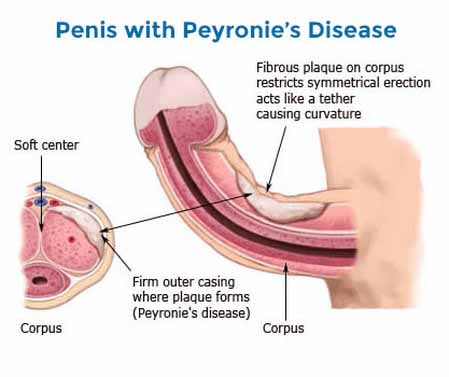
Peyronie’s disease is characterised by the formation of fibrous plaques along the tunica albuginea, the sheath that surrounds the erectile bodies. When scar tissue develops, it can cause the penis to bend during an erection and may lead to pain, shortening, or deformity. Mild curvature is common and usually harmless, as many men have a slight natural bend. Peyronie’s differs because the curvature is progressive, often accompanied by palpable lumps, pain during erection, and difficulty with intercourse. It is not a sexually transmitted infection, nor is it caused by poor hygiene or lifestyle choices. The exact cause is unknown, though microtrauma during intercourse, genetic predisposition, and autoimmune factors may play a role.
Early Signs and Symptoms
Men usually first notice one or more of these features:
- Palpable plaque: A firm lump under the skin of the penis.
- Pain during erection: Discomfort can persist even when not fully erect.
- Curvature or bend: The penis may angle upward, downward, or sideways.
- Shortening or narrowing: Loss of length or “hourglass” thinning at the site of the plaque.
- Erection quality changes: Difficulty maintaining a firm erection.
These signs can appear gradually or after a specific injury. Seasonal changes, stress, or hormonal shifts do not cause Peyronie’s disease. If you have a natural curve without pain and no palpable plaque, it is likely normal. However, any sudden change warrants an assessment.
Why Many Men Delay Seeking Help
Embarrassment and fear are common reasons men delay seeking care. Some assume Peyronie’s disease is just “ageing” or feel ashamed to discuss sexual problems. Others rely on oral tablets or online advice, hoping the issue will resolve itself. There is also a misconception that nothing can be done. In reality, early evaluation offers more options and better outcomes. Timely intervention can halt curvature progression and address underlying erectile dysfunction.
Peyronie’s and Erectile Dysfunction
Peyronie’s disease often overlaps with erectile dysfunction (ED). The plaque can disrupt blood flow and create psychological stress, which affects arousal. Men may lose confidence, avoid intimacy, or experience performance anxiety, compounding the problem. Recognising this link is important because treatments addressing both conditions can be more effective than treating curvature alone. A confidential consultation can uncover whether the ED is caused by physical changes, psychological factors, or both.
Treatment Options We Offer for Peyronie’s Disease
While there is no single cure for Peyronie’s disease, various treatments can reduce curvature, improve symptoms, and restore confidence. The best approach depends on how early you seek help and the severity of your curvature.
- Shockwave therapy for erectile dysfunction: Low-intensity focused shockwave therapy is used to stimulate blood flow, break down scar tissue, and encourage healing. It is painless and performed in clinic over multiple sessions.
- P-Shot® therapy: Platelet-rich plasma injections use growth factors from your own blood to promote tissue regeneration. This approach can improve erection quality and support healing in Peyronie’s plaques.
- Lifestyle and cardiovascular assessment: We evaluate vascular health, hormones, and lifestyle factors because Peyronie’s often coincides with cardiovascular risk. Improving circulation through diet, exercise, and targeted medications supports overall sexual function.
- Medical counselling: Depending on severity, oral medications, traction devices, or combination therapy may be recommended.
For men looking to read more about how erections function during sleep and what they can tell us about erectile health, I recommend our Morning Erections Explained: What They Reveal About Erectile Dysfunction blog. It provides a helpful foundation for understanding vascular and neurological processes.
Our focus is always diagnostic first. During consultation, we discuss your medical history, perform a physical examination, and may request ultrasound imaging to assess the plaque and penile blood flow. Surgery is rarely the first option, and most men benefit from less invasive therapies when the condition is detected early.
When Referral or Imaging Is Appropriate
Ultrasound is often used to assess plaque size, blood flow, and any calcification. In severe cases with significant curvature or pain, referral to a urologist for possible collagenase injections or surgery may be appropriate. Imaging may also be recommended if there is suspicion of calcified plaques or when planning injection therapy.
Why Early Assessment Matters
Peyronie’s disease can progress quickly in some men. Early evaluation allows us to halt worsening curvature, manage pain, and address underlying erectile dysfunction. It also reduces psychological stress and restores confidence. If you notice a new bend, painful erections, or palpable lumps, do not wait.
Reaching out for assessment is the first step toward restoring comfort, confidence, and function. If you have questions or wish to discuss your symptoms privately, I encourage you to book an online consultation or explore our men’s sexual health services. Early action can make a meaningful difference.