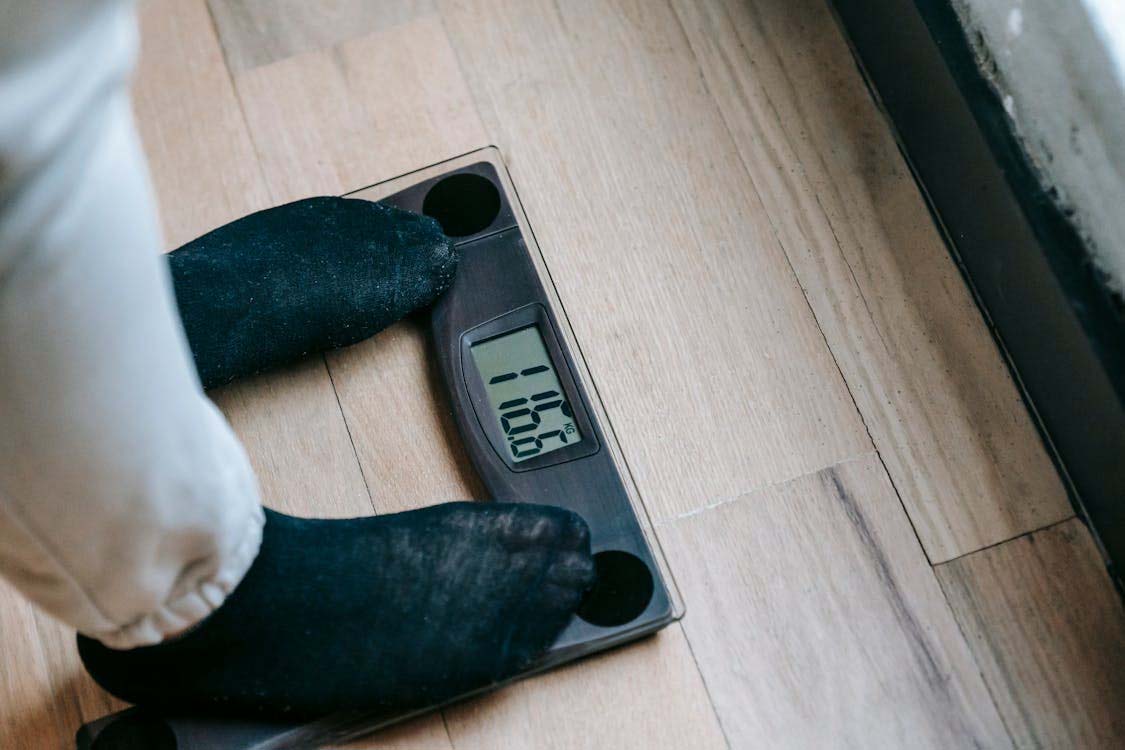
Most men know that keeping their weight in check is good for their heart and joints. What’s less widely discussed is how excess body fat quietly influences hormones, sexual performance and even hair growth. In our clinic, we see many patients who are surprised that the scales affect more than just their waistline. In this article, we’ll explore how weight influences and dihydro (DHT), why those hormones matter for sexual health, and what you can do to restore balance.
Why Weight Matters for Hormones
Adipose tissue isn’t inert; it’s an active endocrine organ. When body fat increases, levels of the enzyme aromatase rise. Aromatase converts into oestrogen, so higher fat levels can lower free . Reduced has a knock‑on effect on libido, erectile quality and energy levels. Meanwhile, insulin resistance, which is common in obesity, can drive up levels of DHT. Elevated DHT has been linked to male pattern hair loss and prostate enlargement.
Men with higher body mass indexes often have lower and higher oestrogen levels. Unbalanced hormones can lead to fatigue, decreased muscle mass and sexual difficulties. The good news is that weight reduction reverses many of these changes.
Weight & Erectile Function
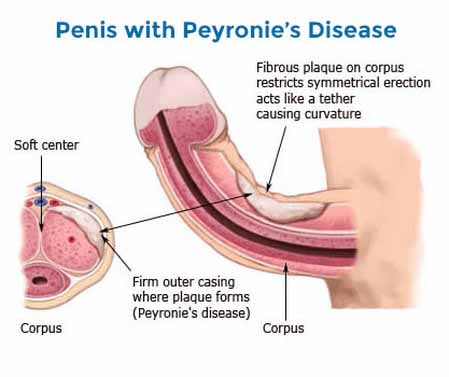
Erectile dysfunction (ED) isn’t purely psychological. It’s frequently a vascular issue: blood vessels that supply the penis become narrowed by atherosclerosis. Excess weight accelerates this process by raising blood pressure and cholesterol. It also contributes to type 2 diabetes, a major risk factor for ED.
Our Priapus Shot® (P‑Shot) helps men with ED by using platelet‑rich plasma to improve blood flow. However, results are often better when combined with lifestyle changes. Losing even 5-10% of body weight can improve vascular health enough to enhance erectile quality. That’s why our Men’s Weight‑Loss Clinic complements our sexual health services by offering personalised diet plans and evidence‑based medications.
Our Priapus Shot® (P‑Shot) helps men with ED by using platelet‑rich plasma to improve blood flow. However, results are often better when combined with lifestyle changes. Losing even 5-10% of body weight can improve vascular health enough to enhance erectile quality. That’s why our Men’s Weight‑Loss Clinic complements our sexual health services by offering personalised diet plans and evidence‑based medications.
Hormones and Hair
Hair thinning worries many men. While genetics play a role, hormones are critical too. DHT binds to hair follicles, causing them to miniaturise. Studies show that men with obesity often have higher circulating insulin and DHT, which accelerates hair loss. Weight loss improves insulin sensitivity, lowering DHT and slowing the thinning process.
Our clinic partners with
The Hair Clinic for advanced therapies like PRP and exosome treatments. Combining these treatments with metabolic health improvements gives the best chance of maintaining a full head of hair.Beyond the Scale: Lifestyle Factors
Weight isn’t the only factor at play. Poor sleep, chronic stress and excessive alcohol all reduce . Lack of exercise means less stimulation for muscle growth and hormone production. A healthy lifestyle supports hormone production in multiple ways:
- Balanced diet: focus on protein, healthy fats and whole grains. Selenium and zinc are particularly important for .
- Regular exercise: both resistance training and moderate cardio boost and improve vascular health.
- Sleep hygiene: aim for 7-8 hours; deep sleep is when the majority of daily is released.
These changes also support mental health, which is crucial because anxiety and depression can undermine sexual desire and performance.
When to Seek Help
If you’ve noticed persistent fatigue, reduced libido, difficulty achieving or maintaining an erection, or accelerated hair loss, it may be time to get your hormones checked. At Essential Men’s Clinic, our confidential online consultation makes it easy to start. During your appointment, we can test hormone levels, discuss symptoms and suggest an integrated plan. That might include weight‑management support, penile shock‑wave therapy for ED or referrals for hair‑restoration treatments.
External Support and Resources
For general lifestyle advice, the New Zealand Ministry of Health provides guidance on healthy weight management and physical activity recommendations. Their “Clinical Guidelines for Weight Management in New Zealand Adults” explain how small changes in diet and activity can make a big difference over time.
Talk to Essential Men’s Clinic Today
Your weight is more than a number on a scale. It’s a key influence on hormones, sexual health and hair. By understanding and addressing this connection, you can improve your wellbeing on multiple fronts. If you’re struggling with ED, noticing hair thinning or simply want to feel more energetic, addressing metabolic health is a smart first step. We’re here to support you every step of the way.